The short version: Organizations don’t invest in security until after something bad happens. The Louvre will now fix its security. Your company will fund that project after the breach. Prevention is cheaper than remediation, but crisis unlocks budgets. Don’t wait for your “oh crap” moment.
I can’t stop thinking about the Louvre heist.
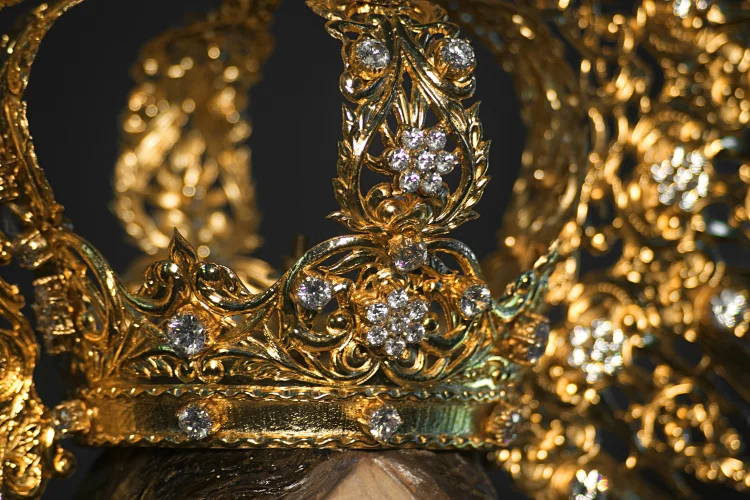
On October 19, thieves walked into one of the most famous museums on the planet and made off with millions in Napoleonic jewels. The audacity alone is impressive. How ballsy do you have to be to rob the Louvre?
And here’s the thing that gets me: what’s the plan now? You can’t exactly list stolen Napoleonic artifacts on eBay. Unless you know a bunch of Bond villains who are into that sort of thing, those jewels are basically unsellable. The whole operation screams “we didn’t think this through.”
But you know what? For those of us in security, this isn’t surprising at all.
We’ve seen this movie before.
A famous institution assumes its reputation is a defense. Thieves find the gaps. Everyone acts shocked. Then comes the scramble to fix what should’ve been fixed years ago.
Replace “jewels” with “data” and you’ve got every major breach story from the last decade.
The “We’re Too Big to Fail” Delusion
The Louvre is one of the most famous museums on the planet. Millions of visitors. Priceless art. You’d think their security would be airtight.
It wasn’t.
This is the same thinking that gets companies breached. They assume their brand name, compliance badges, or expensive security tools make them untouchable.
Spoiler: they don’t.
The Louvre just learned that lesson in the most public way possible. At least it was jewels. Could’ve been worse.
The Predictable Post-Breach Scramble
Want to know what happens next? The Louvre will suddenly find budget for all the security upgrades they “couldn’t afford” before. New cameras. Better alarms. More guards. All the obvious stuff that should’ve already been there.
We’ve seen this pattern a thousand times.
In cybersecurity, it’s the company that gets hit with ransomware and suddenly discovers budget for EDR, security staff, and incident response retainers they swore were “too expensive” six months earlier.
Funny how a crisis loosens the purse strings.
But here’s the thing: waiting for the breach to justify your security budget is the most expensive strategy possible. Ask any company that’s dealt with ransomware, regulatory fines, customer lawsuits, and the joy of explaining to the board why you didn’t fix the obvious gaps earlier.
Your “Oh Crap” Moment is Coming
The Louvre heist is a reminder that no one gets a pass. Not world-famous museums. Not Fortune 500 companies. Not you.
If your security strategy boils down to “we’ll deal with it when something happens,” congratulations. You have no strategy.
When something does happen, you’re reacting. You’re making decisions under pressure. You’re burning emergency budget. You’re hoping the damage isn’t catastrophic.
That’s not planning. That’s panic.
What Actually Works (Spoiler: It’s Boring)
Test your defenses before attackers do. Run tabletop exercises. Do penetration testing. Simulate the worst-case scenarios and figure out what breaks before it matters.
Stop assuming your controls work. I’ve sat through too many exercises where everyone just assumes their fancy tech will save them. MFA fails. EDR misses things. Backups get encrypted. Plan for it.
Make security routine, not reactive. The best security programs aren’t the ones that heroically respond to crises. They’re the ones that prevent crises through consistent, unglamorous work that nobody notices.
We’ve Seen This Movie Before
The Louvre will upgrade. They’ll add layers. They’ll learn.
But they’re learning the expensive way.
You don’t have to. Whether it’s jewels or customer data, the lesson is the same: fix the obvious gaps before someone walks through them.
We’ve all seen how this movie ends. Don’t star in the remake.
Currently exploring CISO, head of security (full-time or fractional), and advisory opportunities. If you need someone who thinks about security before the heist happens, let’s talk.