The short version: My camera’s API kept timing out, so I pivoted to RTSP streaming and built something better. The result: a fully automated sunset timelapse system that calculates golden hour, captures frames, generates videos, and uploads to YouTube, all running on a Raspberry Pi with zero daily intervention.
Or: How I learned to stop worrying and love the pivot
The Grand Vision (That Crashed and Burned)
When I bought my husband a weather streaming camera, I had visions of grandeur. Picture this: a full weather livestream on our YouTube channel, complete with real-time conditions, beautiful sunrise shots, and maybe even the occasional dramatic storm rolling in. I was going to be the next big thing in weather content creation.
Spoiler alert: technology had other plans.
What followed was a comedy of errors that would make any IT professional weep into their coffee. Network timeouts that seemed to have a personal vendetta against me. APIs whose documentation, or lack thereof, made me question my life choices. Processing power issues that made my camera choke harder than a junior developer trying to explain why they pushed to prod on a Friday. The camera had more mood swings than a legacy system running on Windows Server 2003.
You know that feeling when you’re three hours deep into troubleshooting something that “should work” and you start questioning your life choices? Yeah, that was me, staring at error logs and wondering if I should have just bought a regular weather app subscription instead.
The Pivot (AKA Admitting Defeat Gracefully)
But here’s the thing about us technology folks – we don’t stay down for long. When technology gives you network timeouts, you find a different approach that actually works.
Most evenings, especially when the sky looks particularly Instagram-worthy, my husband logs into the camera app and manually sets up a sunset timelapse recording. It’s become his little ritual – checking the sky, opening the app, hitting record. Sweet? Absolutely. Scalable? Not so much.
As someone who’s spent years automating security processes and making systems work smarter instead of harder, I knew there had to be a better way. And any time you think there has to be a better way, it exists: you just haven’t found it yet.
Manual processes are the enemy of consistency, and inconsistency is the enemy of… well, everything good in this world.
Claude Enters the Chat (My New Favorite Co-Developer)
So I decided to automate the daily sunset timelapse for our home in Pelham, Alabama. Because if you can’t solve one problem, solve a different, more manageable problem that still gets you at least part of what you wanted.
Working with my AI assistant Claude (who, let’s be honest, has better debugging patience than most humans), we tackled this step by step. It’s fascinating how AI has become the perfect rubber duck for technical problem-solving – except this duck actually talks back with useful suggestions and occasionally catches my security oversights before I commit them to git.
The Technical Reality Check
I started out trying to use the camera’s native API, but let’s just say it had “personality.” Like dealing with a legacy system that works perfectly until you need it to do something slightly different. I tried pivoting to ONVIF protocol, but was met with the same spicy attitude.
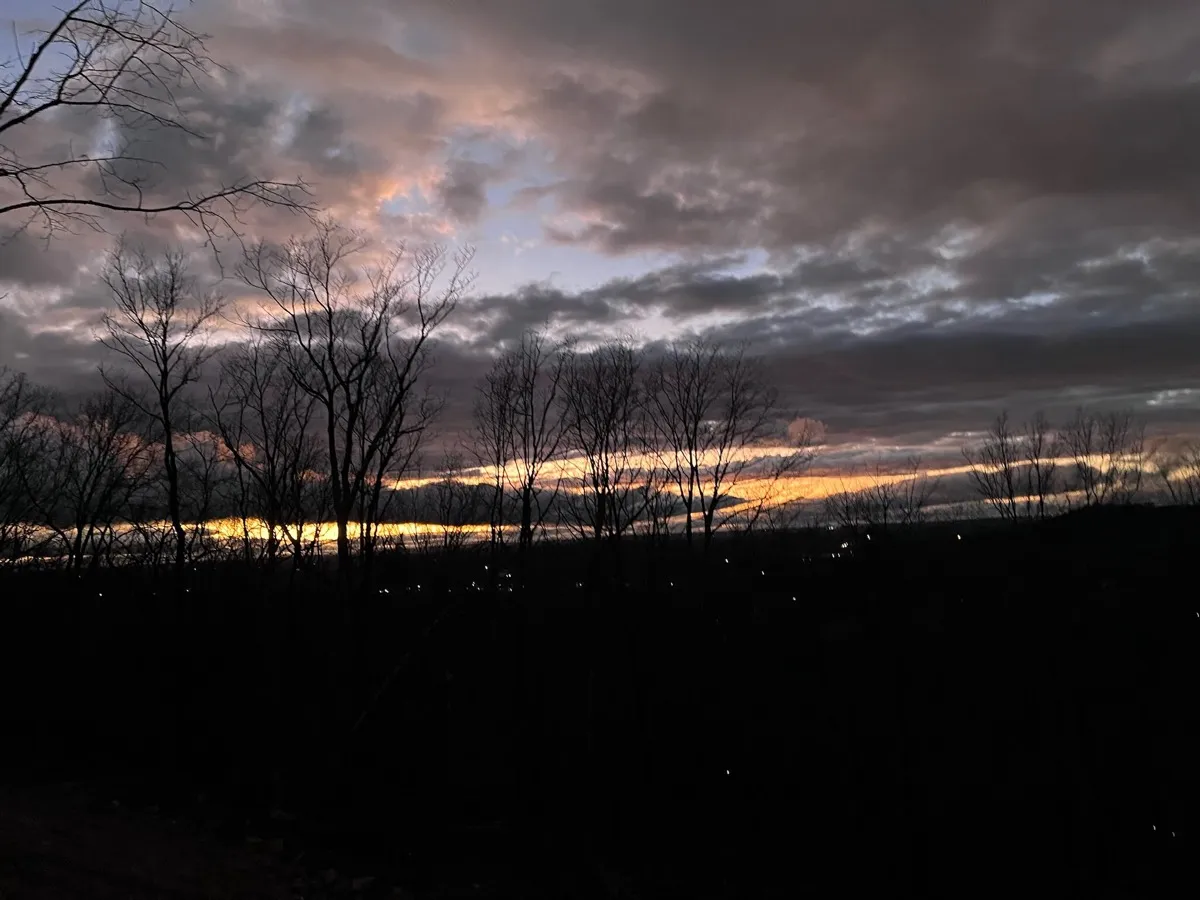
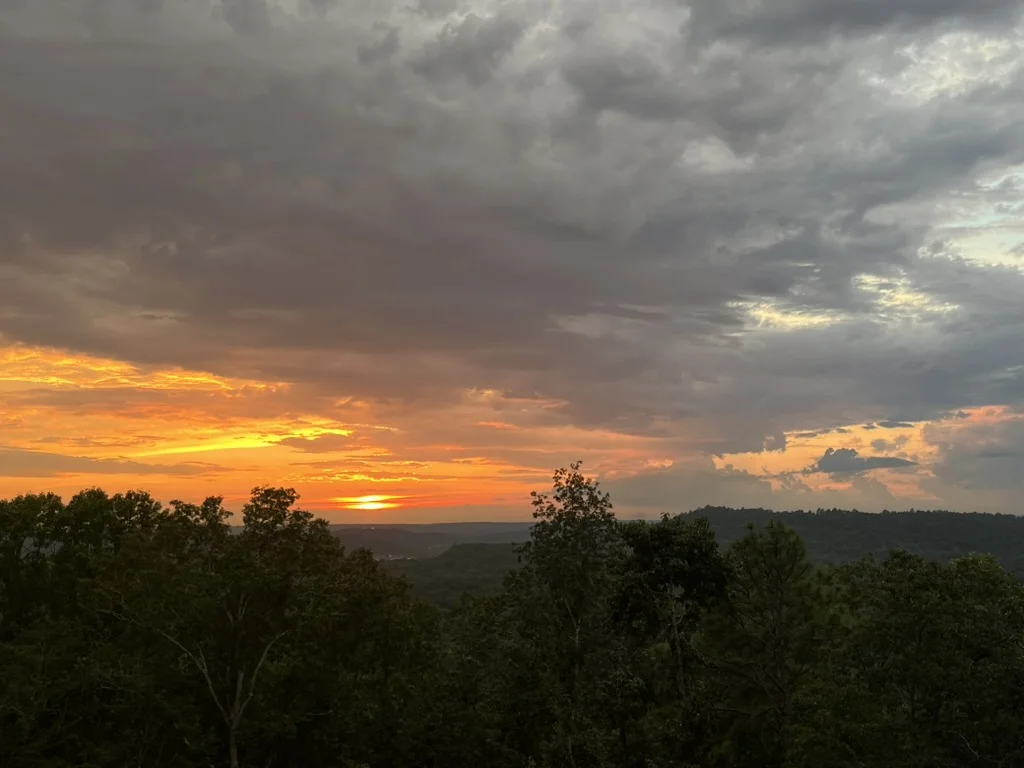
Ultimately, the solution was beautifully simple: use RTSP streaming to capture the full sunset window, extract frames every 5 seconds, stitch them together with FFmpeg, and automatically upload to YouTube with the naming convention “Sunset mm/dd/yy.”
The whole system runs on a Raspberry Pi 4 that handles everything from sunset time calculations for our coordinates to the final YouTube upload. For historical processing of older recordings, I can fire up the MacBook for more intensive batch operations.
The Results (And Why This Matters)
Now we get beautiful, consistent sunset timelapses automatically uploaded to our YouTube channel without any manual intervention. The system has been running with minimal babysitting – exactly what good automation should do.
But here’s the real lesson: sometimes the best solution isn’t the one you originally envisioned. Sometimes it’s the one that actually works reliably with the constraints you have.
In cybersecurity, we deal with this constantly. The perfect security solution exists only in whitepapers and vendor demos. In the real world, we build systems that work with legacy infrastructure, limited budgets, and users who will always find creative ways to break things.
The key is knowing when to pivot, when to simplify, and when to recognize that “good enough and reliable” beats “perfect and broken” every single time.
Open Source Because Sharing is Caring
I’ve open-sourced the entire setup on GitHub because someone else might want automated sunset timelapses, the patterns are useful for other IoT projects, and I believe in contributing back to the community that’s taught me so much.
You can find the code on my GitHub with full documentation, setup instructions, and maybe some weird commit messages from when I was debugging.
The Meta-Point (And a Subtle Hint)
This whole project reminded me why I love technology problem-solving. Taking something manual and unreliable, understanding the constraints, and building something that just works. It’s the same mindset I bring to security architecture – understanding the real-world limitations and building solutions that teams will actually use.
Whether it’s ensuring sunset timelapses upload securely to YouTube or designing enterprise security frameworks that don’t drive users to creative workarounds, it’s all about building systems that work reliably in the real world while maintaining proper security posture.
Speaking of which, if your organization needs someone who can think through complex technical challenges, automate the boring stuff, architect secure systems that people actually want to use, and maybe even write readable documentation about it… I’m currently exploring new opportunities. Whether you need a CISO/head of security (full-time or fractional), or someone for advisory roles, let’s talk about interesting problems that need solving.
Want the technical details? Check out the deep-dive series on the implementation: Part 1: Live Capture Engineering covers the autonomous Raspberry Pi capture system, and Part 2: Historical Processing explains the backup recovery pipeline.
Because at the end of the day, whether it’s automated sunset timelapses or enterprise security frameworks, it’s all about building systems that work reliably in the real world.
Have your own automation victories (or spectacular failures)? I’d love to hear about them. Find me on LinkedIn or check out more projects on my GitHub.